

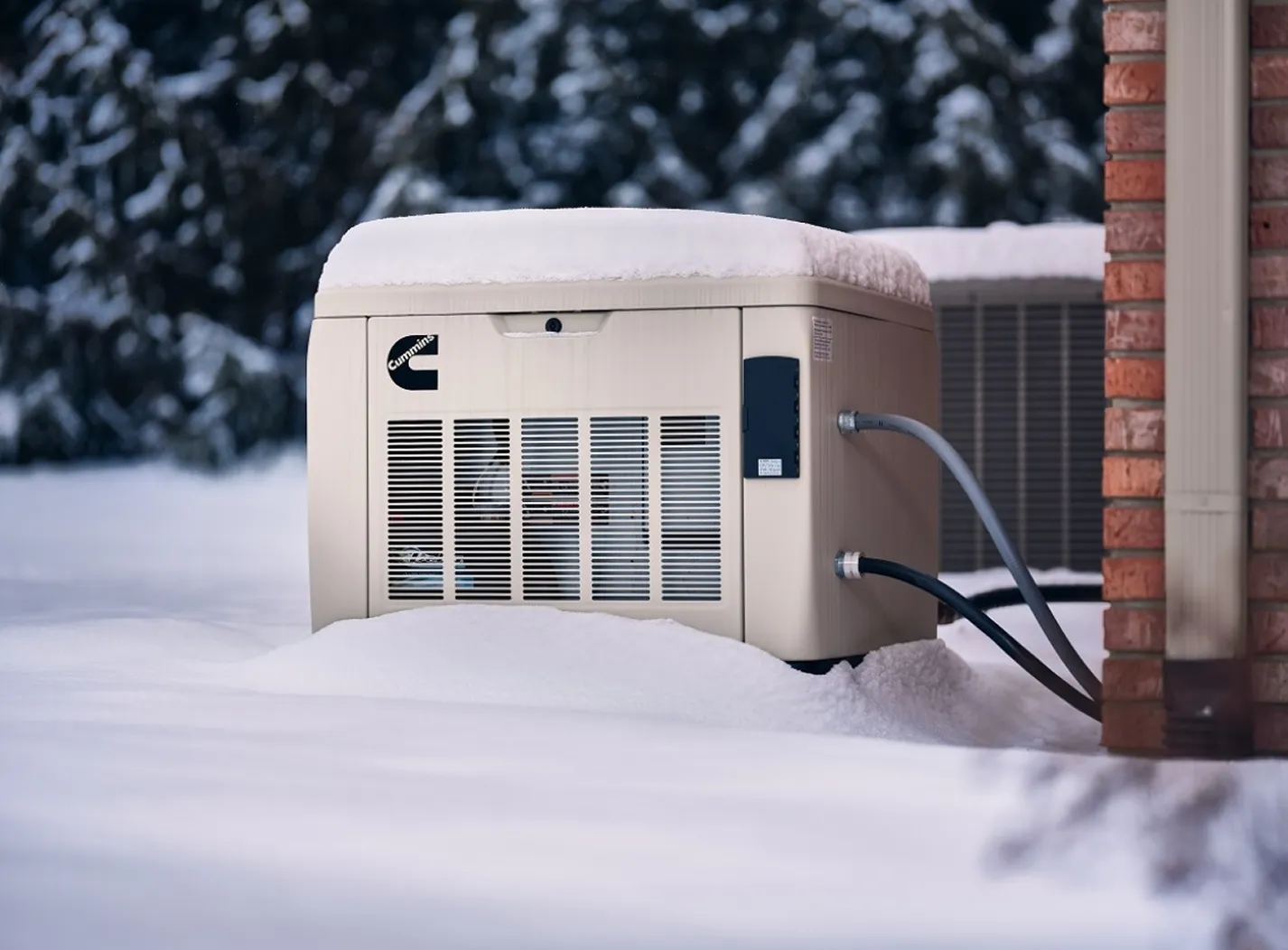
Reliable whole home backup power.
Backup generators have been the go-to for whole home backup power for decades and there’s a reason why.
Backup generators have been the go-to for whole home backup power for decades and there’s a reason why.

Why a Standby Generator
Solar + batteries are fantastic—but they aren’t ideal for every roof, site, or budget. If your shade, roof size, winter production, or financing window doesn’t line up, a permanently installed LP/Natural Gas generator can be the best fit. It runs automatically, fuels from your home’s natural gas line or propane tank, and powers essentials or your whole home for as long as the outage lasts.
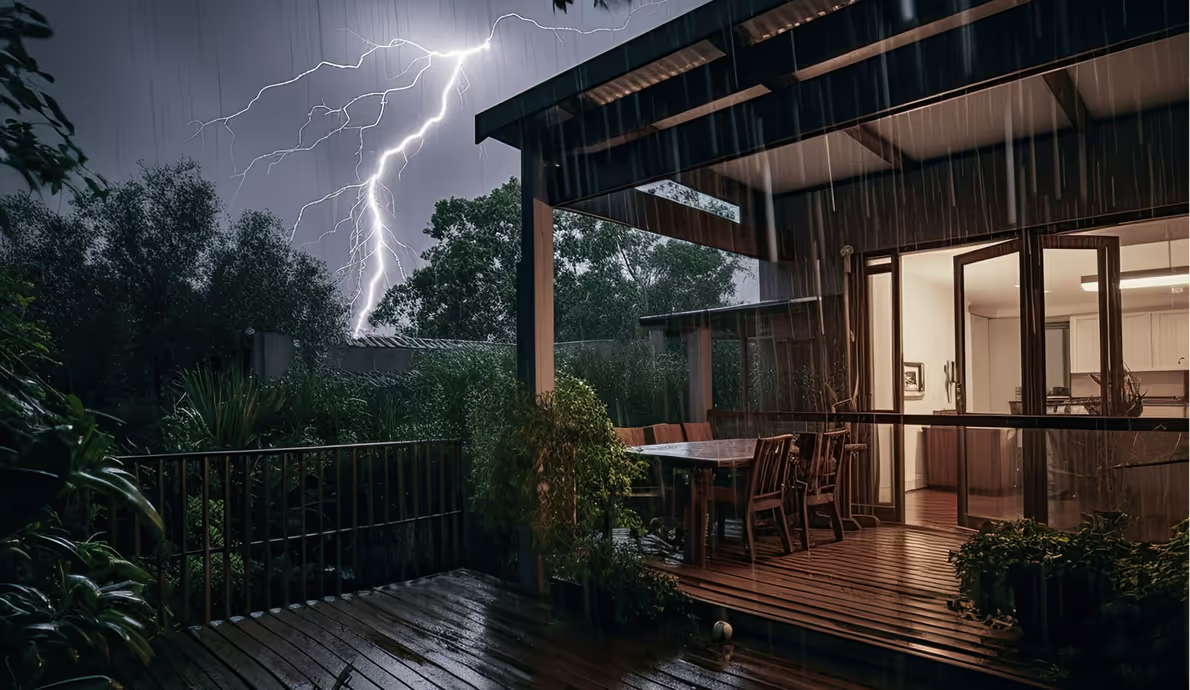
Automatic power when you need it most
.webp)
Any weather and for any length of time
.webp)
Runs on your existing fuel supply
.webp)
Adds real value and security to your home
Watch a Simulated Power Outage with a Backup Generator

Call 855-927-4367 for a free custom quote.
Or fill out the form and we’ll contact you super fast to answer any questions and get your free quote.
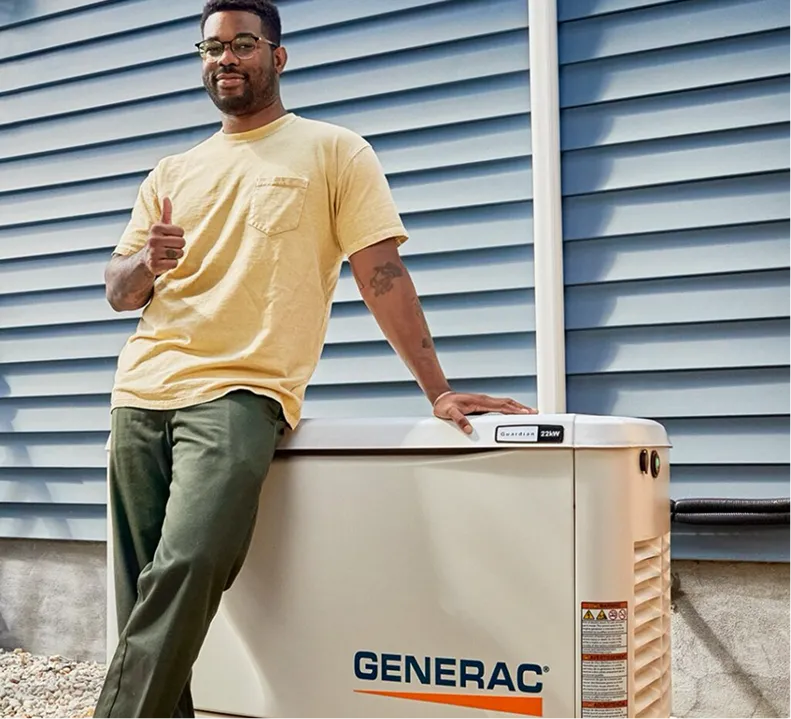

Bigdog Solar Battery Options
Keep life normal when the grid goes down. For some homes and budgets, a whole-home generator is the smartest, most reliable way to protect your family, food, HVAC, and business-from-home setup—without the up-front cost of solar + batteries. We install and service industry-leading systems across Idaho, Utah, Wyoming, and Colorado.

- MODELRS20ACE
- WARRANTY5 Years
- CAPACITY20kW
- FUELLP/Natural Gas
- OPERATING TEMPS122* to -40* F
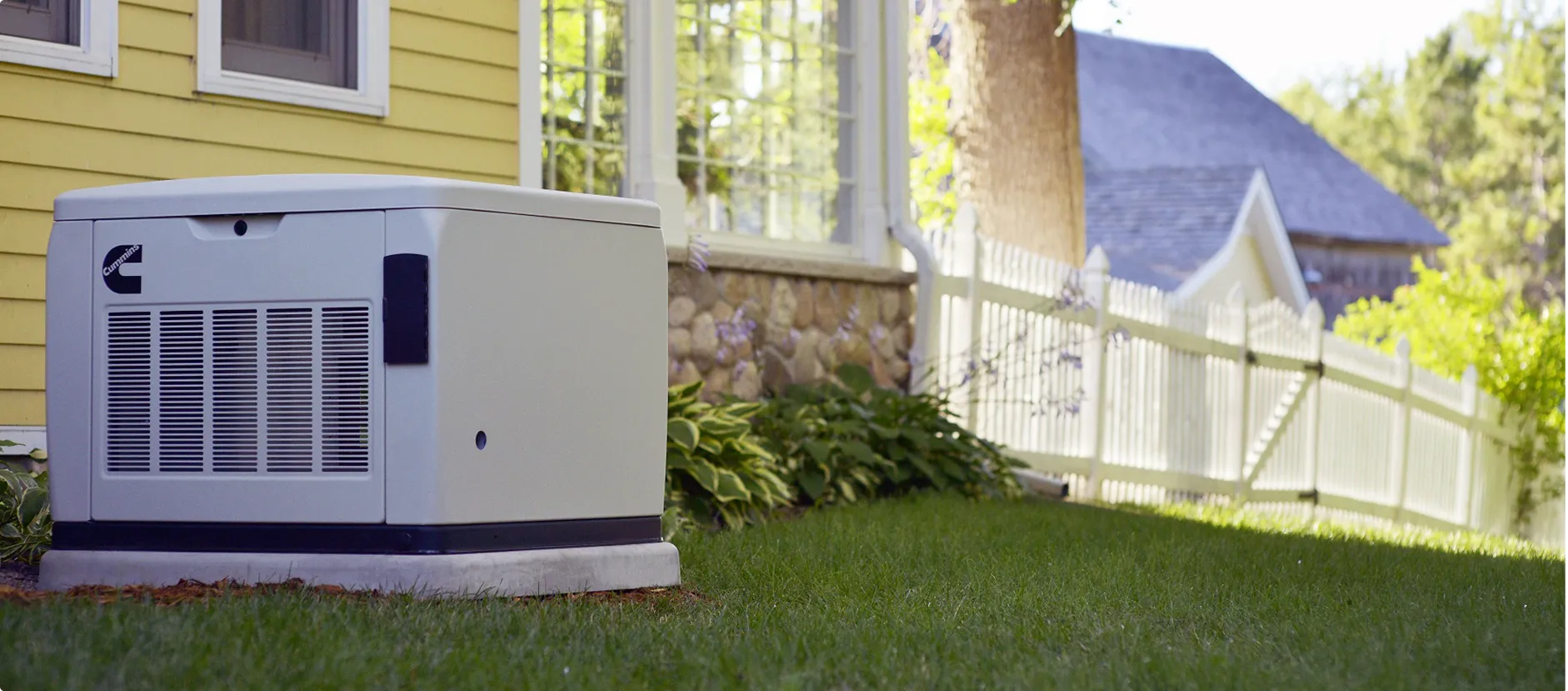

- MODELGuardian 7291
- WARRANTY5 Years
- PEAK POWER26kW
- FUELLP/Natural Gas
- OPERATING TEMPS122* to -20* F
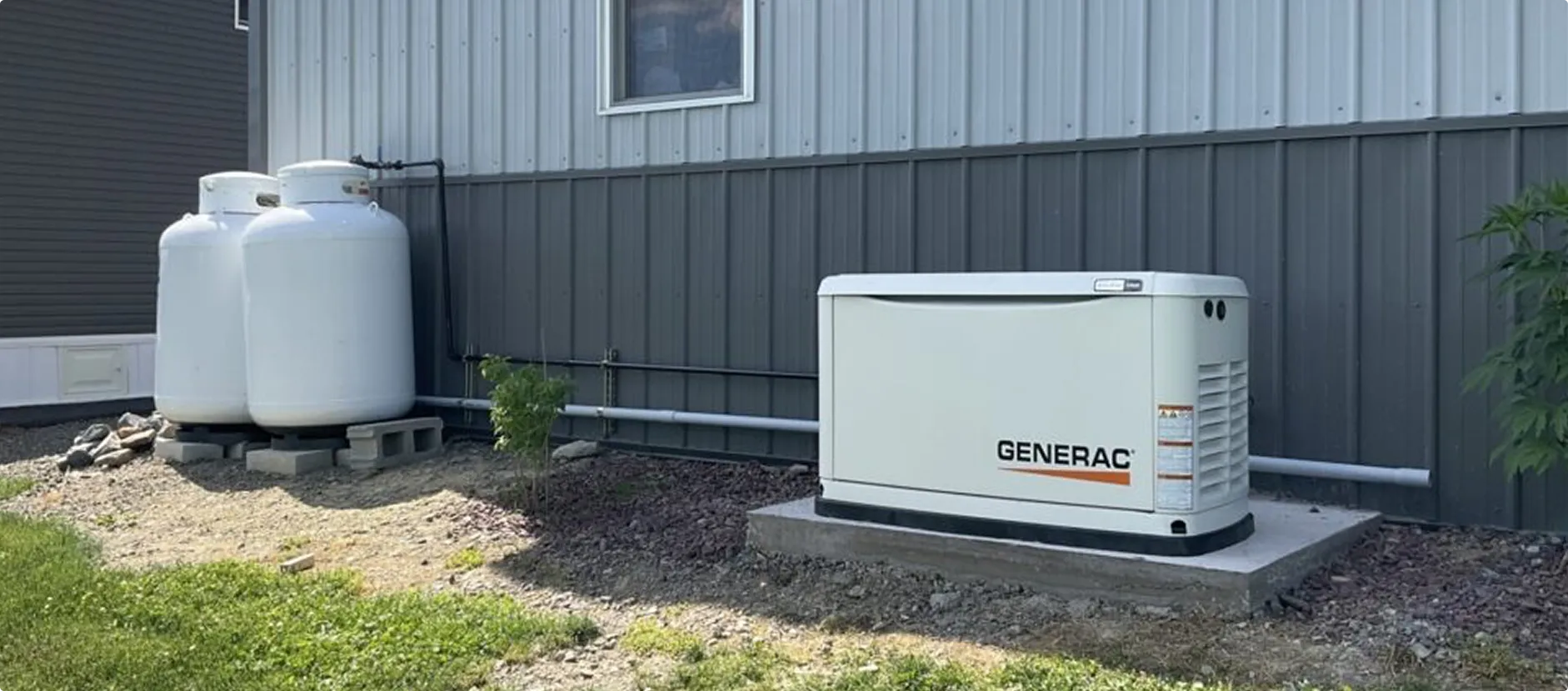
Understanding Whole-Home Backup Generators
When the power goes out—whether it’s from a storm, grid failure, or utility maintenance—your whole-home generator doesn’t wait for you to notice. Within seconds, it automatically senses the loss of power, starts up, and restores electricity to your home. When the grid power comes back on, the system quietly shuts down and returns to standby mode, ready for the next outage.
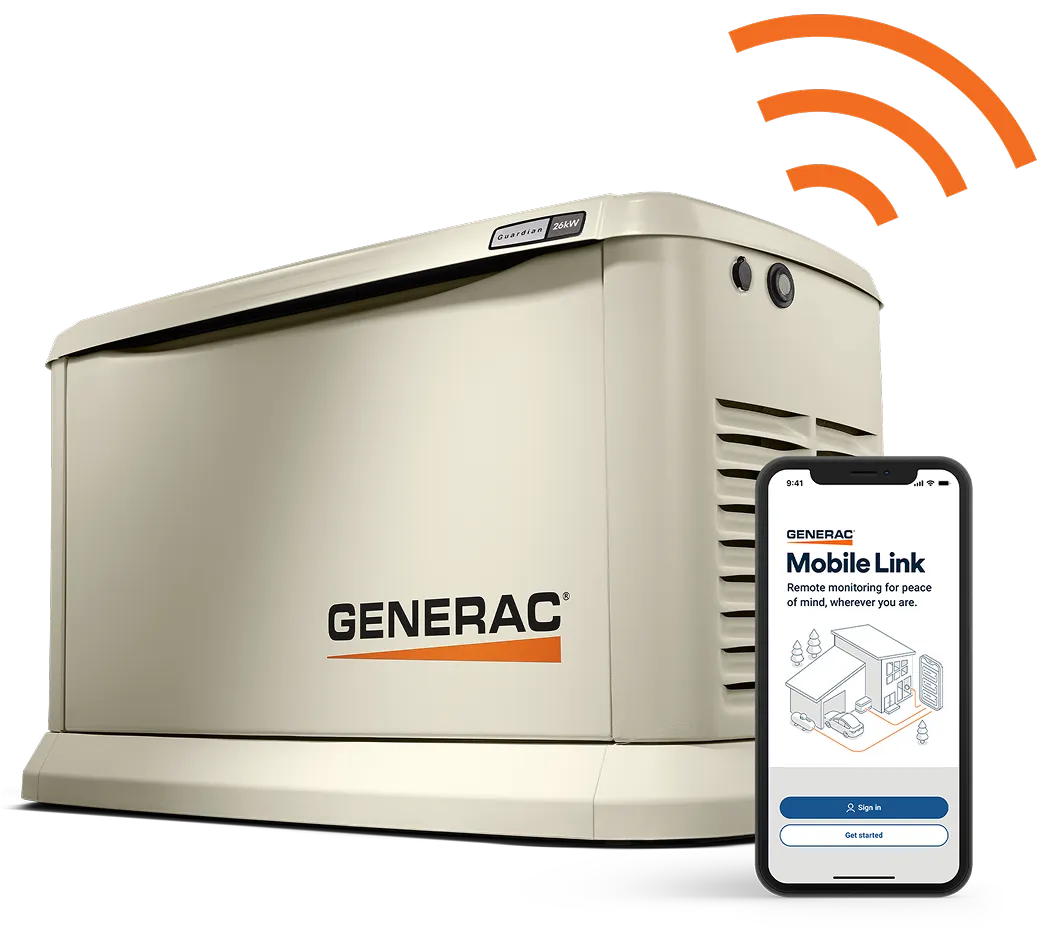
Modern generators like the Generac Guardian and Cummins QuietConnect are smart, connected systems. Through their mobile apps, you can see real-time generator status, runtime history, and even monitor your power consumption right from your phone—whether you’re home or away.
It’s a hands-off, worry-free way to make sure your home stays powered, protected, and comfortable—no matter what happens to the grid.

Backup Generator FAQs
You might already be familiar with backup generators, but here are the most common questions we get about our whole home backup generator offerings. As always, feel free to reach out to us with any other questions you might have.
What is a whole home standby generator and how does it actually work?
whole home standby generator is a permanently installed backup power system that sits outside your house, usually on a small pad, and is wired directly into your electrical panel through an automatic transfer switch. When the power goes out, the system senses the outage, starts the generator, and transfers your home over to backup power. When the utility comes back on, it switches you back and shuts the generator down. All of this happens within seconds and does not require you to be home.
We can design your system to power your entire house or just the most important circuits, like heat, well pump, fridge, internet, and key outlets. The best way to know what makes sense for your home is to have our team take a quick look at your panel, your appliances, and your goals.
If you are thinking about backup power, contact Big Dog for a free, no pressure quote and we will walk you through exactly how a whole home system would work for your home.
What size whole home generator do I need?
There is no true “one size fits all” when it comes to generator sizing. The right size depends on:
• What you want to power during an outage
• How your home is heated and cooled
• Whether you have a well pump, shop, or other large loads
• The size and layout of your electrical panel
In most homes, we start by listing the “must have” items, checking their power requirements, and then making sure the generator can handle both the running load and the higher startup load of motors like AC units and pumps. Some homes only need enough to comfortably run essentials, while others want to live almost like normal when the grid goes down.
The only way to know for sure is a proper load assessment. Big Dog can size the right generator for your home and give you an accurate, written quote at no cost. Reach out and we will do the math for you.
How much does a whole home backup generator cost, including installation?
The total cost depends on several things: the size of the generator, the complexity of your electrical setup, the length of gas line runs, and any site work needed for the pad and wiring. That is why you will see such a wide range of prices online.
Instead of guessing, we walk your property, look at your panel, check gas availability, and talk through what you expect the system to do. From there we can recommend options and give you a firm price that includes:
• The generator and automatic transfer switch
• All standard electrical and gas connections
• Basic site preparation and installation
• Startup, testing, and a walkthrough on how everything works
If you want real numbers for your home instead of generic ranges, contact Big Dog for a free, no obligation quote. We will give you clear pricing so you can decide if it fits your budget.
Is a standby generator really worth it, or should I just get a portable?
Both can have their place, but they do very different jobs.
A portable generator can be great for occasional use, small loads, or camping. You usually need to roll it out, plug in cords or a manual transfer connection, and keep it fueled by hand. It can be a good budget option if you only need to power a few things and you are comfortable setting it up every time the power goes out.
A whole home standby generator is about comfort, safety, and convenience. It starts automatically, even if you are away. It can run most or all of your home and is connected to natural gas or a large propane tank, so there is no refueling in bad weather. For many homeowners, especially those with wells, medical equipment, home offices, or frequent outages, the peace of mind is the real value.
If you are unsure which option is right for you, talk to Big Dog. We can compare standby vs portable for your specific situation and give you a clear, free quote so you can decide if a standby system is worth it for your home.
What maintenance does a whole home generator need, and how long will it last?
Whole home generators are designed to be very reliable, but they still need basic maintenance to keep them ready for the next outage. Most systems:
• Perform an automatic self-test on a regular schedule
• Need an annual service that includes oil and filter changes, inspection, and testing
• May need additional service after very long runtimes, such as multi-day outages
With proper installation and routine maintenance, many systems can last well over a decade. The main factors are how often it runs, local conditions, and how well it is cared for.
Big Dog offers setup and support options so you are not left guessing about service intervals or wondering if your generator will start when you need it.
If you want a system that is installed correctly and backed by a team you can reach when you have questions, contact Big Dog. We can explain maintenance, talk about expected lifespan, and give you a free quote on a complete backup solution for your home.

Quick Links
Email & Social