Questions? Call (855) 927-4367 | Mon ‑ Fri 8am ‑ 6pm MT
A kilowatt-hour may be the same unit all day, but its price can change as utility demand rises and falls. In this lighthearted conversation, Mitch explains how solar and battery storage can reduce dependence on expensive peak-rate electricity.
Late afternoon and early evening often bring air conditioning, cooking, television, laundry, and EV charging together. On a time-of-use plan, that combination can happen during the highest-priced window.
A battery offers another option: make electricity with solar during the day, store it, and use it when the utility rate climbs. The right operating schedule depends on the local plan and the homeowner's priorities.
Programs, utility policies, equipment availability, and incentives can change. Confirm current terms for your address and consult qualified financial or tax professionals when appropriate.
Homeowner: I've got it all figured out. I just use my power whenever I need it. I'm not stressing about it.
Mitch: Whenever you need it? Electricity isn't priced the same at every time anymore.
Homeowner: What do you mean? A kilowatt is a kilowatt.
Mitch: Sure, but the price changes depending on when you use it. Most power companies charge more during busy hours—late afternoon and early evening, when everyone's home, the air conditioning is running, the oven is on, and the television is going.
Homeowner: So, around 4:00 or 5:00 p.m.?
Mitch: Exactly. That's peak time, and peak time can mean peak prices.
Homeowner: I've been running the dishwasher at 5:00. So it's not only about how much I use?
Mitch: It's also when you use it. You can make your own power during the day, store it, and use it when rates spike. With solar and a battery, your house can pull from stored energy instead of buying at the high rate.
Homeowner: So instead of timing everything perfectly, I rely less on peak-priced electricity. That makes sense. Who taught you that?
Mitch: Big Dog Solar. We show you the rates, the numbers, the battery setup, and the information you need.
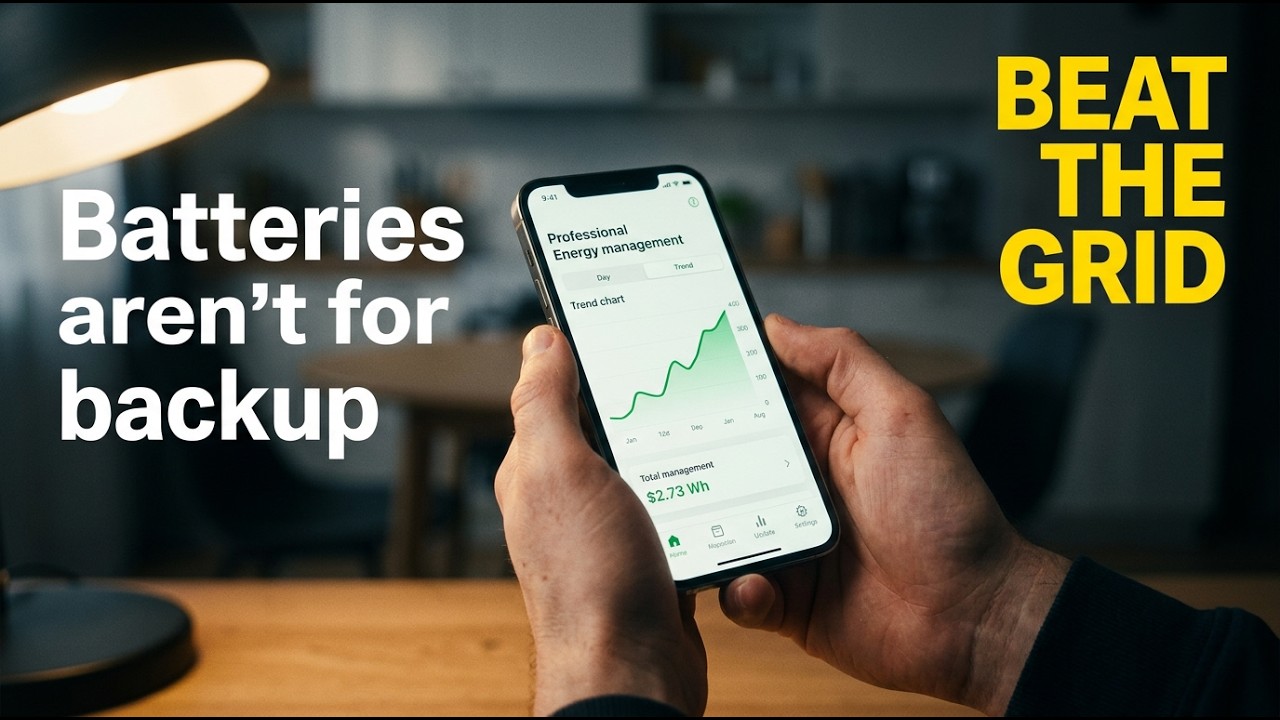
A home battery isn't just a blackout gadget. This video explains how growing grid demand is causing more outages and time-based pricing, and how a smart battery paired with solar keeps essentials running and lowers bills automatically.

Time-of-use pricing means the same amount of electricity can cost different amounts at different hours. This video shows how a battery can store lower-cost or solar-produced energy and use it later when peak rates apply.

Looking for the honest truth about solar? Our latest video breaks down the top 5 reasons why solar might not be the right fit for you. From considerations about your home's foundation to the impact of tree coverage and utility benefits, this video provides essential insights for your solar decision making.