Questions? Call (855) 927-4367 | Mon ‑ Fri 8am ‑ 6pm MT
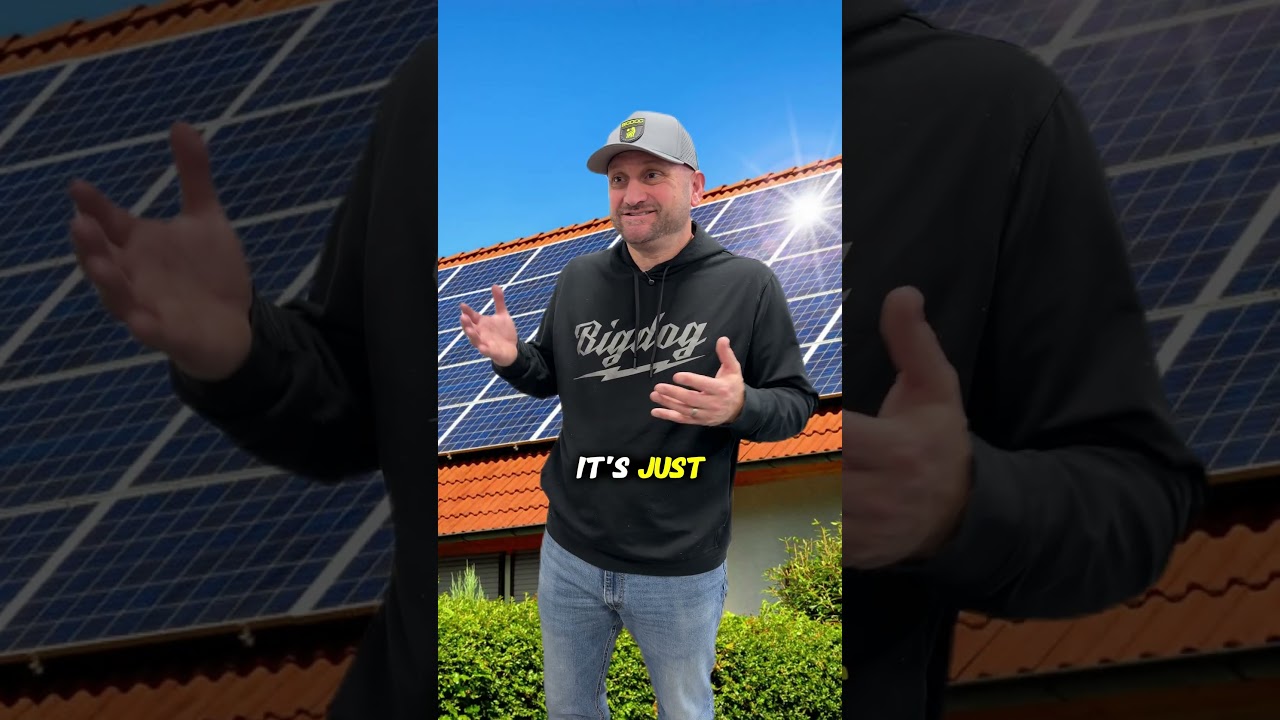
Electricity bills can rise even when a household's usage barely changes. This video explains how growing grid demand and infrastructure investment can contribute to higher utility rates—and how home solar may reduce exposure to those increases.
For years, efficiency gains helped keep national electricity demand relatively steady. Now data centers, domestic manufacturing, electric vehicles, and other large loads are changing the amount of power the grid must deliver.
Utilities must plan generation and transmission around that demand, and customers can ultimately feel those costs through their rates. A properly designed solar system lets a homeowner produce part of that electricity on-site, while battery storage can add control over when stored energy is used.
Programs, utility policies, equipment availability, and incentives can change. Confirm current terms for your address and consult qualified financial or tax professionals when appropriate.
Mitch: The real reason your power bill is rising. I get this question all the time. Why does my power bill go up every single year, even when I don't use any more electricity? Well, the short answer is inflation and fuel costs.
But that's not the real story. The real reason your bill is going up is because of something happening all over the country that's causing a massive unexpected spike in our demand for power. For about 20 years, electricity use in the US was basically flat. We got more efficient with appliances and light bulbs.
So even as we grew, our demand didn't really change. Power companies could easily predict how much energy we'd need and they planned for it. But that all just changed. Suddenly, we have hundreds of new data centers for AI, huge new manufacturing plants built in the US, and millions of electric vehicles are all plugging into the grid all at the same time.
Our grid wasn't built for this. Utility companies are now scrambling to build new power plants and transmission lines just to keep up. And analysts have had to double their forecasts for how much electricity we're going to need in the next 5 years. And who pays for all that new infrastructure?
You and I, pal. They pass those massive costs directly onto you and me through higher rates every single year. So even if you're not using more power, you're paying to build a bigger grid for all of that expansion.

Social distancing didn't stop Big Dog from giving back to customers. Check out our unique ways we delivered gifts to customers! Read More
A kilowatt-hour may be the same unit all day, but its price can change as utility demand rises and falls. In this lighthearted conversation, Mitch explains how solar and battery storage can reduce dependence on expensive peak-rate electricity.

If you've heard of solar, you've probably heard of Big Dog! Serving thousands of solar customers across the country for over 20 years, Big Dog is one of the best in the industry. Owners and founders, Brad and Michelle Barrett take us on the Big Dog journey as they describe how the company got started and become what it is today!


