Questions? Call (855) 927-4367 | Mon ‑ Fri 8am ‑ 6pm MT
Do solar panels eliminate your electric bill?Not exactly — and if you don't know how solar billing works, you might be in for a surprise.I'm Mitch Workman from Big Dog Solar. After helping install over 12,000 systems across the Mountain West, I've seen just about every kind of solar setup—and today, I'm breaking down what you can really expect when it comes to your electric bill after going solar.
✅ Why you might still have a small electric bill
✅ How connection fees and cloudy days affect solar production
✅ What net metering is — and why it matters for your savingsThinking about going solar?
➡️ Take our free, 60-second Solar Score quiz to see if solar makes sense for your home: https://score.bigdogsolar.com/
➡️ Got questions? Drop them in the comments or reach out — we're happy to help!🔔 Don’t forget to subscribe for more real-world solar advice and homeowner tips.
#solarenergy #solar #bigdogsolar #solarquestions
Chapters
0:00 Will my bill be zero?
0:14 Why a bill still shows up (fixed connection fee)
0:34 Winter/cloudy days = lower production
0:52 How net metering/net billing actually works
1:16 Setting expectations (plan for a small bill)
1:33 Get the most value from your system (what to do next)“Will my bill be zero with solar?” Short answer: you’ll still get a bill, but it’s usually far lower. Most utilities keep a fixed monthly customer/connection charge, and your seasonal production varies—net metering/net billing then reconciles usage vs. exports. This video sets the right expectations so there are no surprises.
Do you still pay an electricity bill with solar panels?
Some people think going solar wipes out your bill completely, but is that actually true?
I’m Mitch from Big Dog Solar, and we’ve installed over 13,000 systems all across the Mountain West. I’ve seen just about every kind of system there is.
In this video, I’m going to clear up what really happens with your electric bill after going solar.
We’re going to cover how the billing system typically works, why some people still have a bill, and how to get the most value out of your system.
This is important because if you don’t understand how it works, even if your system performs great, you might still be in for a surprise.
Stick around so you’ll know what to expect going in.
Number one: the connection fee.
Most utility companies have some type of fixed connection or service fee.
It might be $5, $20, or potentially more depending on the utility.
Regardless of whether you have solar, you may still have to pay that fee simply to remain connected to the electrical grid.
Number two: winter and cloudy days.
Not every day is perfectly sunny.
On cloudier days and during the winter season, you’re typically going to see a dip in solar production.
That’s normal and should be accounted for when your system is designed.
During those times, you may need to draw more electricity from the grid.
That takes us to number three: net metering.
Not every electric company has the same program, but generally there may be a system for crediting some of the excess solar electricity you send back to the grid while charging you for electricity you pull from it.
Those credits can help offset usage during cloudy days or lower-production months.
The exact value of those credits and how they roll over depends on your utility.
To recap, you’ll likely have an electric bill at some point after going solar.
But depending on your system and electricity usage, it may be significantly lower than what you were paying before.
If you want to find out whether solar makes sense for your own home, we have a Solar Score quiz that gives you a quick evaluation based on your location and situation.
And if you ever have any other questions, feel free to give us a call.

Strong leadership leads to a solid foundation. Here is why Big Dog has been for over 20 years. Read More

Solar panels are great, but some people have fears of having panels break on them. Well fear no more, as we put the Silfab 300 to the test with Ice Chunks, baseballs, and Golf Balls. Read More
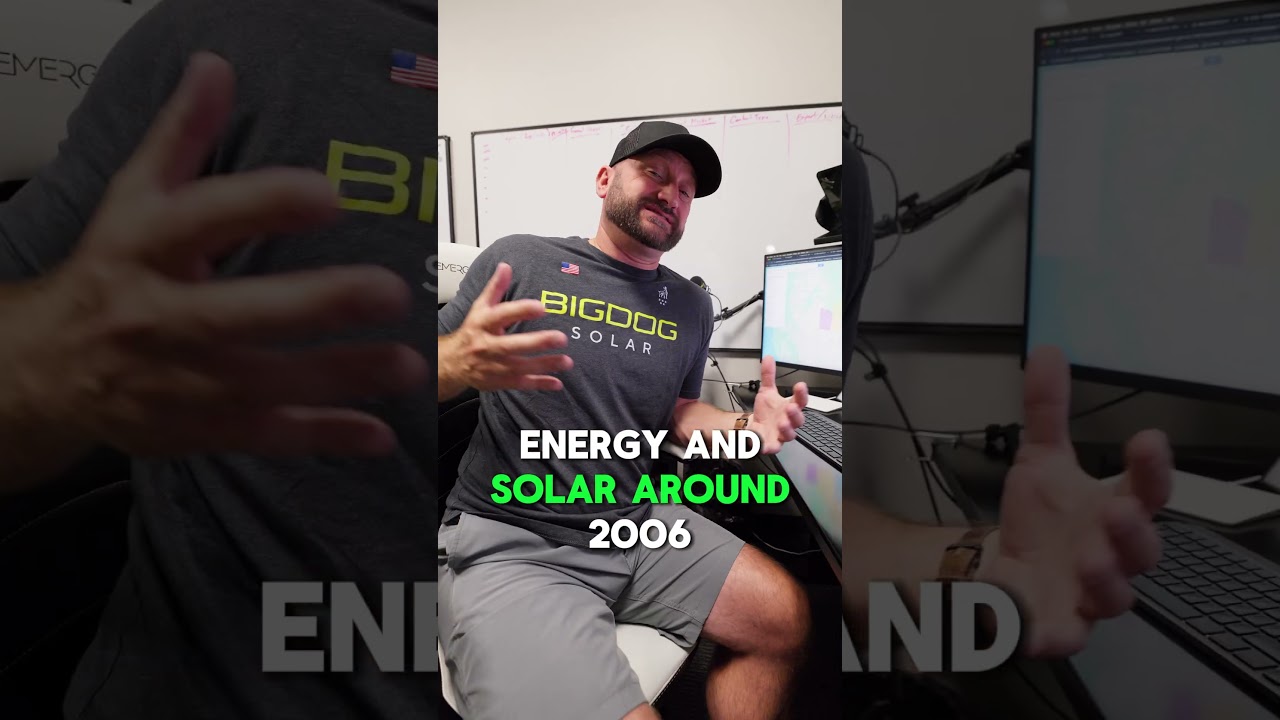
Big Dog Solar brings long-running energy and solar experience to homeowners and organizations across the Mountain West. In this quick conversation, Mitch describes the company's history and regional work in Idaho, Montana, Utah, and Colorado.