Questions? Call (855) 927-4367 | Mon ‑ Fri 8am ‑ 6pm MT
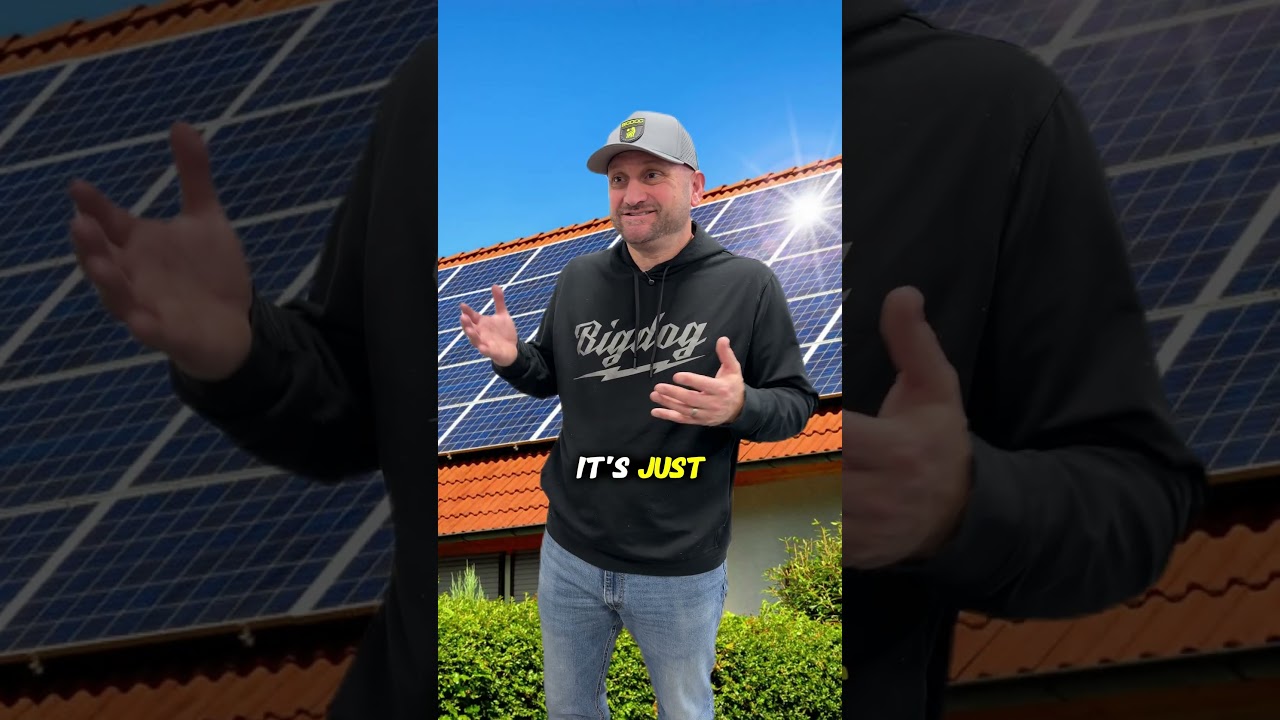
Many homeowners with gas heat assume a winter outage won't affect them, but most gas furnaces need electricity to run. This video explains what stops working when the power goes out and how backup batteries and generators keep essentials on.
A gas furnace still depends on electricity to light the burner, run the blower, and power its controls. When the grid goes down, the heat goes with it, even with gas in the line. Homes on a well face a second problem: no power means no water pump, and no water.
Before winter storms hit, list what has to keep running if the power is out for a day or longer. For most families that's the furnace, refrigerator or freezer, a well pump, and phones. A whole-home generator or a home backup battery can cover those loads automatically. Generators run as long as they have fuel but can be noisy. Batteries are silent, switch over instantly, and can help reduce costs during high-rate periods when they aren't covering an outage.
Programs, utility policies, equipment availability, and incentives can change. Confirm current terms for your address and consult qualified financial or tax professionals when appropriate.
Mitch: If your house has gas heat, you probably think a winter power outage won't hurt you, but it could. Your gas furnace needs electricity to light the burner, run the blower, and power the controls. No electricity, no heat, even with gas in the line. And it's not just a furnace. If you're on a well, no power means no water either.
So, before the first storm hits, ask yourself what has to keep running if the power is out for a day or even two or three. For most families, it's the furnace, the fridge or freezer, maybe even a well pump. Heaven help us if our phones ever die.
So, what covers it? A home backup battery or a whole-home generator. Both kick on automatically when the grid goes down. A generator can be fairly noisy, but it keeps going as long as you have fuel to feed it. A battery is silent and switches over instantly, and when it's not functioning as a backup power supply, it can save you some on your high power rates, but that's a bedtime story for another night.
Which one is best for you depends on, well, you. But please know we're here to help you get informed before you make a decision. Big Dog Solar can show you what it takes to cover your home. Tap below.
A kilowatt-hour may be the same unit all day, but its price can change as utility demand rises and falls. In this lighthearted conversation, Mitch explains how solar and battery storage can reduce dependence on expensive peak-rate electricity.

Large data centers add substantial new demand to the same regional grids that serve homes and businesses. Mitch explains why that growth can influence future utility costs and how homeowners can begin with solar now while planning for batteries later.

Nuclear, wind, and solar all contribute electricity, but they operate at very different scales. Mitch explains why rooftop solar stands out as an energy source an individual homeowner can install and control directly.